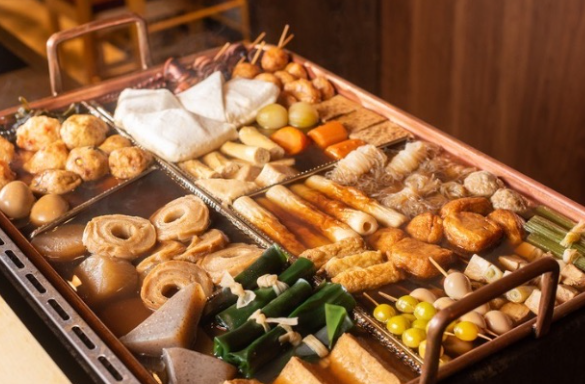
A Warm Pot of Japanese Comfort — The Complete Home Guide to Oden
https://finet52.com/the-ultimate-guide-to-japanese-comfort-food-mastering-tofu-oden-and-ramen/
When it comes to Japanese winter comfort food, oden definitely tops the list. In a steaming pot of savory broth, you’ll find simmered daikon radish, fish cakes, eggs, kelp, and other tasty ingredients. Every bite is heartwarming and satisfying.
Not only is it delicious, but oden is perfect for gathering around with family and friends — chatting and eating as the pot gently simmers away.
Today, let’s talk about how to make an authentic and cozy pot of oden at home.
1. What is Oden?
Oden is essentially a variety of ingredients slowly simmered in a flavorful broth so they can fully absorb the taste.
Its charm lies in the “one pot, many flavors” concept: tender, flavorful daikon; bouncy, savory fish balls; eggs infused with umami… Whether you’re a meat lover or a vegetarian, there’s always a bite you’ll love.
2. The Soul of Oden — The Broth
A great oden starts with a great broth.
Traditional Japanese broth is usually made from kombu (kelp) and katsuobushi (bonito flakes), sometimes seasoned with soy sauce, mirin, and sake.
If you want a shortcut, you can use instant Japanese dashi powder or ready-made oden soup base — it’s still delicious.
Basic Dashi Broth:
Soak kombu in water for at least 30 minutes.
Heat over medium heat and remove the kombu just before the water boils (to avoid bitterness).
Turn off the heat, add bonito flakes, and let steep for 1–2 minutes. Strain.
Add a little soy sauce, mirin, and sake to season.
Tip: For a richer flavor, make the broth a day in advance and reheat it the next day for cooking oden.
3. Common Oden Ingredients
Oden is highly versatile — choose whatever you like. Here are some classic options:
Daikon radish — Peel, cut into thick rounds, and parboil to remove bitterness.
Boiled eggs — Peel and simmer in broth for flavor.
Fish cakes — Such as chikuwa, kamaboko, and fish balls.
Kombu knots — Refreshing and balances richer flavors.
Tofu products — Deep-fried tofu pouches (often stuffed with mochi or noodles).
Konnyaku (konjac) — Low-calorie, chewy, and holds up well in long cooking.
Beef tendon or brisket — Slowly simmered for rich umami.

4. Steps to Make Oden at Home
Prep the ingredients
Parboil firm ingredients like daikon and konnyaku; boil eggs and peel them.
Make the broth
Prepare dashi according to the recipe above.
Cook tougher ingredients first
Add daikon, konnyaku, beef tendon, or other slow-cooking ingredients first. Simmer for about 30 minutes.
Add delicate ingredients
Fish cakes and tofu products can be added later — about 15 minutes before serving.
Simmer gently
Oden should be cooked slowly over low heat so the broth can penetrate every ingredient.
Serve hot, straight from the pot
Use a clay pot or electric cooker to keep it warm while eating — perfect for that cozy atmosphere.
5. Dipping Sauces & Condiments
Although oden is flavorful on its own, in Japan it’s often served with condiments:
Karashi mustard — Spicy and sharp, cuts through richness.
Miso sauce — Sweet-savory, perfect with daikon or tofu.
Yuzu kosho — Fragrant and mildly spicy, elevates the flavor.
6. Tips for Even Better Oden
Cook in advance — Letting oden rest for a few hours or overnight before reheating makes it even more flavorful.
Organize the pot — Use skewers or dividers to separate different ingredients for easy serving and to prevent flavors from blending too much.
Top up with hot broth — If the broth reduces too much, add hot broth or warm water (never cold water, which will lower the temperature suddenly).

7. The Heartwarming Moment of Oden
On a cold day, there’s nothing like a steaming bowl of oden. Bite into a tender piece of daikon and let the broth burst in your mouth — that comfort goes straight to your heart.
Oden isn’t just a dish — it’s a winter ritual of warmth, bringing family and friends together around the table, chatting and enjoying food slowly.
Summary
Oden may seem simple, but it’s really a harmony of slow cooking and patience.
Once you master the broth, ingredient choice, and gentle simmering, you can easily make a pot of oden at home that rivals any Japanese eatery.
This winter, give it a try — one pot of oden will warm not just your stomach, but also your heart.
https://finet52.com/the-ultimate-guide-to-japanese-comfort-food-mastering-tofu-oden-and-ramen/