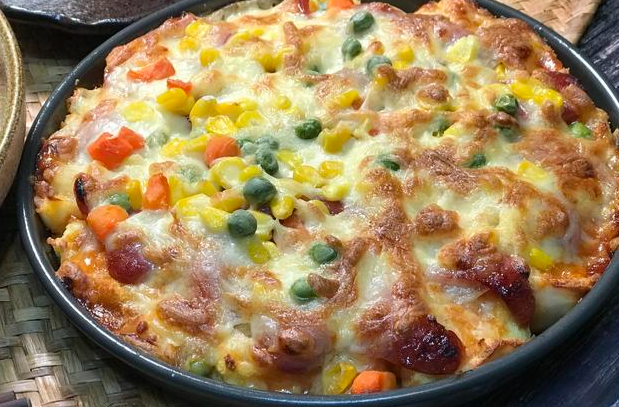
Steamed Bun Pizza: When Leftover Ingredients Meet Kitchen Creativity
In everyday life, leftover staples like bread, steamed buns, or rice often appear on the table. Most people simply reheat and eat them, or simply discard them. However, with some clever processing, these seemingly ordinary ingredients can be transformed into unique dishes. Steamed bun pizza is one example, not only minimizing waste but also creating an unexpectedly delicious dish.
The new identity of steamed buns: pizza base
People often associate pizza with its flexible dough, crispy edges, and rich fillings. However, steamed buns, a soft and fluffy pasta, also have the potential to serve as a base.
The first step in the process is to cut and crush the steamed buns into a fine, smooth batter. This process not only changes the bun’s original structure, but also makes it easier to form a uniform crust during baking. The crushed buns are then reorganized, compacted, and shaped into the dough.
Bake in an air fryer or oven over medium-high heat (approximately 350°F/180°C) for 8-10 minutes. The crust will gradually turn golden and crispy, exuding a unique baked aroma. It retains the original fluffiness of the steamed bun while maintaining the crispness of a traditional pizza crust.
The finishing touch of sauce
Without sauce, pizza’s depth of flavor would be greatly diminished. Common tomato sauce is the go-to for steamed bun pizza. Spread evenly on the crust, the sweet and sour tomato flavor blends with the wheaty aroma of the steamed bun, creating a more familiar pizza experience.
Interestingly, tomato sauce isn’t just for flavor. Tomatoes are rich in lycopene, a natural antioxidant that’s more readily absorbed by the body when cooked at high temperatures. Therefore, this seemingly casual addition actually adds nutritional value to this creative dish.
Cheese and fillings: a soulful combination
The soul of pizza is undoubtedly cheese. Evenly spread the shredded cheese over the tomato sauce, it gradually melts as it bakes, forming a golden, stringy coating on the surface, imparting a rich, milky aroma and a smooth texture. Cheese’s inherent high calcium content is one reason many families love to add it.
Beyond cheese, the choice of toppings is highly individual. Common combinations include diced ham, shredded onions, sliced green peppers, corn kernels, or sliced mushrooms. These vibrant vegetables not only enhance the pizza’s appearance but also add depth to the overall flavor. The dietary fiber and vitamins in the vegetables also balance the greasiness of the cheese and ham, making this dish both satisfying and relatively balanced.
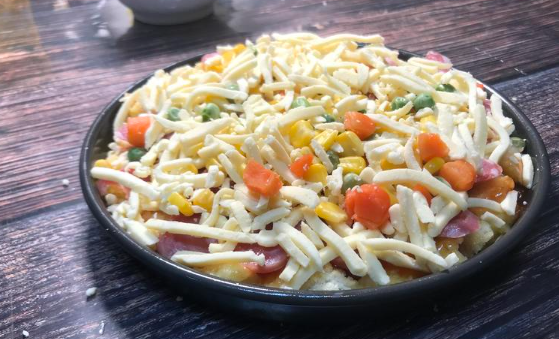
Secondary baking: shaping and sublimation
Once the filling and cheese are added, the pizza is baked again. Still at 350°F/180°C for about 8 minutes, the cheese will be completely melted and slightly browned, giving off an enticing aroma.
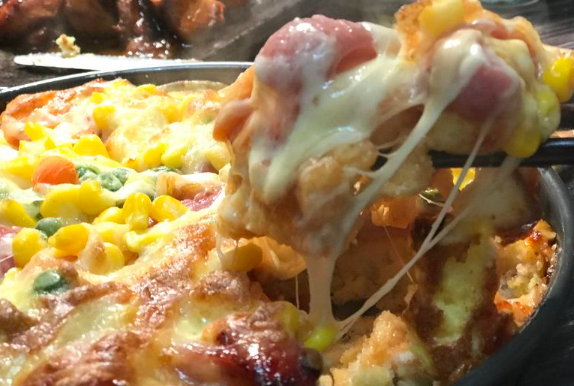
When you take it out, the dough is already set, with a golden and crispy surface and a soft and moist interior. Gently cut it open, and the shredded cheese and steamed bun base are intertwined, the visual effect alone is enough to whet your appetite.
Cost vs. Value
Interestingly, these steamed bun pizzas are incredibly affordable. A single bun with the right amount of cheese and vegetables can be prepared for just a few dollars. Meanwhile, a small pizza at a restaurant can easily cost over ten or even twenty dollars. The difference isn’t just in the price; it’s also in the fact that homemade pizzas can be customized to your taste and toppings.
In addition, making it by yourself can also bring a sense of accomplishment and interactivity. If you prepare it with your children, they will often show great interest in the process of arranging the ingredients. This is not only a dining experience, but also an opportunity for family interaction.
The food philosophy behind the creativity
The emergence of steamed bun pizza reflects a broader culinary trend: the creative use of leftover ingredients . Globally, food waste is a pressing issue. According to the Food and Agriculture Organization of the United Nations, one-third of food is wasted annually. If more innovation and reuse can be achieved at the household level, even a small reduction in waste would be a significant improvement.
This practice also conveys another message: the value of food isn’t determined by its appearance or original purpose, but by how it’s reinterpreted. A simple steamed bun, adorned with cheese and tomato sauce, can become a surprisingly creative pizza. This kind of transformation is the most interesting part of food culture.
Summarize
Steamed bun pizza isn’t meant to compete with traditional pizza, but rather to remind people that the possibilities in the kitchen are far greater than imagined. Its value lies in providing a new perspective, helping people reconsider seemingly ordinary, even somewhat boring, ingredients.
When ordinary steamed buns become pizza bases, and when leftover vegetables and cheese become delicious toppings, it’s more than just a meal; it’s a lifestyle. The message it conveys is that creativity doesn’t necessarily require expensive ingredients or complex techniques; sometimes, it just requires a pair of hands willing to experiment.
Next time when there are leftover steamed buns, bread or other staple foods in the kitchen, you might want to think about this question: Are they waiting for a gorgeous “transformation”?