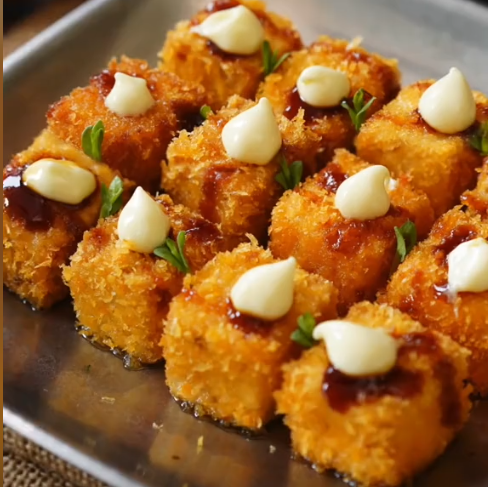
Japanese-style fried tofu: a refreshing take on Japanese home cooking
In culinary cultures around the world, tofu is a unique and controversial ingredient. Some enjoy its delicate texture and nutritional value, while others find it too bland. However, in Japanese cuisine, tofu, through various preparations and combinations, often reveals surprising new flavors. Japanese-style deep-fried tofu is a prime example, combining the softness of tofu with the crispiness of deep-frying, then seasoning it with teriyaki sauce and mayonnaise, creating a texture that is both light and complex.
The role of tofu in the Japanese diet
In Japan, tofu is not only a common ingredient but also a medium that embodies a culinary philosophy. Unlike Western fried foods, which emphasize intense flavors, Japanese cuisine often emphasizes a “light” aesthetic, highlighting the natural flavors of ingredients through simple seasoning. Age-dofu (fried tofu) embodies this philosophy, emphasizing the contrast between textures: a crispy outer layer, while remaining soft within.
Tofu is a high-protein, low-fat ingredient often considered an ideal choice for a healthy diet. According to the U.S. Department of Agriculture, a 100-gram serving of tofu contains approximately 8 grams of protein and virtually no cholesterol. This has made it increasingly popular among American consumers amid the recent trend toward plant-based diets.
The key to production: layered taste
The uniqueness of this Japanese-style fried tofu lies not only in the combination of ingredients, but also in the details of the craftsmanship. It emphasizes the layering from the inside out, and each step serves the final taste.
Cutting and marinating: creating the basic flavor
To make this tofu, choose a firm block of firm tofu and cut it into evenly sized pieces. Since tofu itself has a bland flavor, it requires a basic seasoning, such as soy sauce and chili powder, during the initial preparation. This marinating step, which takes about 20 minutes, not only allows the seasoning to penetrate but also helps remove some of the beany flavor.
Battering and deep-frying: creating a contrast in texture
Traditional deep-frying gives the tofu a crispy exterior. It’s coated in a double layer of cornstarch and breadcrumbs. The cornstarch creates a uniform barrier between the tofu and the oil, preventing it from penetrating too quickly, while the breadcrumbs provide a light, crispy texture. The oil is kept at approximately 350°F (70°C), and the tofu cubes are added individually to prevent them from sticking. Deep-fry until golden brown and puffy.
Sauces and garnishes: the finishing touch
The deep-frying alone isn’t enough to create a memorable experience. The final key lies in the sauce. The teriyaki sauce provides a subtle balance of sweetness and saltiness, while a touch of mayonnaise adds a gentle, milky flavor. Together, these two ingredients elevate the fried tofu’s flavors to a remarkable depth.
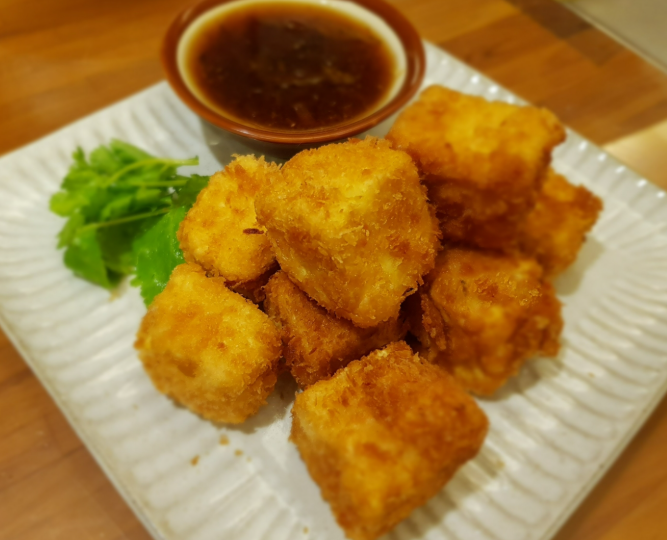
Why is this dish worth watching?
1. Balance between health and indulgence
Although deep-fried, Japanese-style fried tofu is significantly lighter than traditional fried chicken or onion rings. Tofu’s high protein and low fat content complement the crispy exterior and tender interior after frying, making it a perfect way to satisfy a fried craving without feeling overly heavy.
2. The intersection of Eastern and Western food cultures
In the United States, fried snacks are often associated with parties or fast food; in Japan, Japanese-style fried tofu served in taverns is a social snack enjoyed with alcohol. This difference reflects the cultural logic behind food: America emphasizes liveliness and indulgence, while Japan emphasizes refinement and restraint. However, this intersection of the two makes this dish even more appealing across cultures.
3. Feasibility of home cooking
Another advantage is its low complexity. Unlike sushi or ramen, which require advanced techniques, Japanese-style fried tofu can be easily recreated in the home kitchen. With just one pan and a few common ingredients, you can achieve a near-restaurant-quality experience. This is undoubtedly a practical option for family dinners or weekend gatherings seeking a fresh twist.
Further thinking: Why is fried tofu considered a “comfort food”?
Comfort food is often deeply tied to memories and emotions. Deep-fried tofu, despite its simplicity, offers a balance of textures: the crispy exterior provides instant gratification, while the soft interior offers gentle comfort. This dual experience makes it more than just a culinary delight; it’s also a source of psychological comfort.
Furthermore, the combination of fried tofu and the sauce symbolizes the concept of balance. The sweet and salty flavor of the teriyaki sauce complements the richness of the mayonnaise, like the search for a middle ground between tension and relaxation. Perhaps for this reason, it is particularly well-suited to a bistro or a family dinner table.
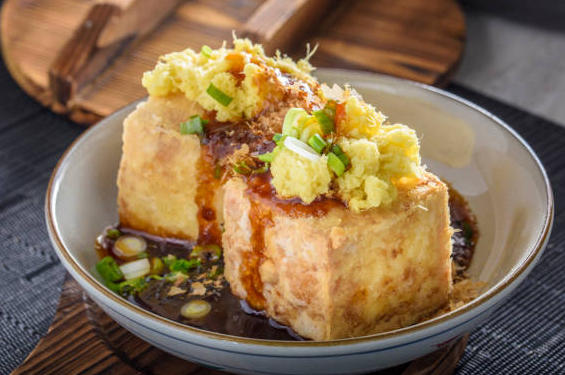
How to extend this dish into your daily diet?
Alternative breading : Instead of breadcrumbs, try oatmeal or sesame seeds for a different texture.
Switch up the sauce : Don’t stick with teriyaki sauce; spicy mayo or honey mustard can also add a fresh twist.
Side Dish Combinations : Pair with a refreshing salad or cold soba noodles for a more balanced meal.
Summarize
Japanese-style deep-fried tofu is a dish that combines cultural significance with a delightful flavor. Through simple techniques, it transforms a seemingly ordinary ingredient into a light and refined tablescape. Whether you try it at home or order it at a restaurant, this dish deserves to be more widely known.
Perhaps we can ask the question from another angle: In today’s fast-paced dining environment, what other seemingly ordinary ingredients can be transformed into pleasant comfort foods through innovative cooking methods?