Moroccan Tagine: A One-Pot Journey to North Africa
https://finet52.com/the-ultimate-guide-to-moroccan-tagine-a-culinary-journey-to-north-africa/
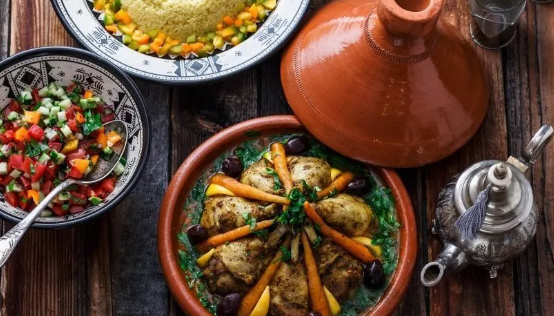
When we talk about Moroccan cuisine, one dish that immediately comes to mind is the vibrant, aromatic tagine. But tagine isn’t just the name of a dish—it’s also the name of the special pot used to cook it, and a true symbol of Moroccan culture. With its slow-cooking method, tagine brings together spices, fresh ingredients, and centuries of tradition in one pot, delivering a culinary journey unlike any other.
Today, let’s explore the story behind Moroccan tagine and discover what makes this dish so beloved around the world.
1. The Tagine Pot: A Functional Piece of Art
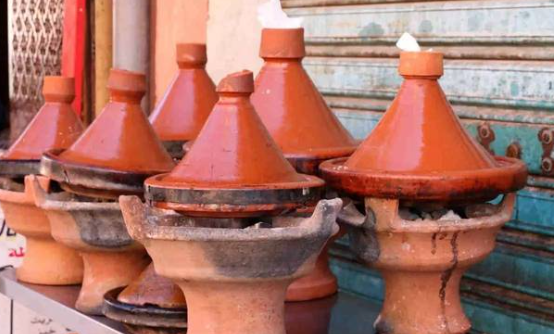
The tagine pot is a traditional clay cookware consisting of two parts: a wide, shallow base and a tall, conical lid. This clever design allows steam to circulate inside the pot, creating a moist, sealed environment where flavors develop deeply and the meat stays tender.
The word tagine (طاجين) comes from Arabic and is widely used across Morocco and North Africa.
Traditional tagine pots are handcrafted and beautifully decorated, often with bright colors and intricate patterns, reflecting Moroccan art and culture. These days, modern versions made from metal or cast iron are available, making it easier to use on everyday stovetops.
2. A Symphony of Ingredients and Spices
What truly sets Moroccan tagine apart is the incredible mix of spices and ingredients. Some of the most commonly used spices include cinnamon, turmeric, cumin, paprika, saffron, and coriander. These spices blend together to create a flavor that’s bold, layered, and absolutely unforgettable.
Tagine recipes can include lamb, beef, chicken, seafood, or even go completely vegetarian. Dried fruits like apricots, preserved lemons, and olives are often added to create that signature sweet-and-savory balance. Each ingredient plays a role in adding depth and contrast, turning the dish into a real flavor adventure.
3. Slow Cooking: Unlocking the Soul of the Ingredients
Cooking a tagine is a slow, patient process. The ingredients simmer together for a long time, allowing the meat to become incredibly tender and the vegetables to soak up the flavorful sauce.
It’s not just cooking—it’s flavor meditation. The process of slow cooking is a reflection of Moroccan life: rich, unhurried, and deeply connected to tradition. It’s like wandering through the spice markets of an ancient Moroccan medina, surrounded by warmth and color.
4. A Taste of Morocco at Home: Easy Chicken Tagine Recipe
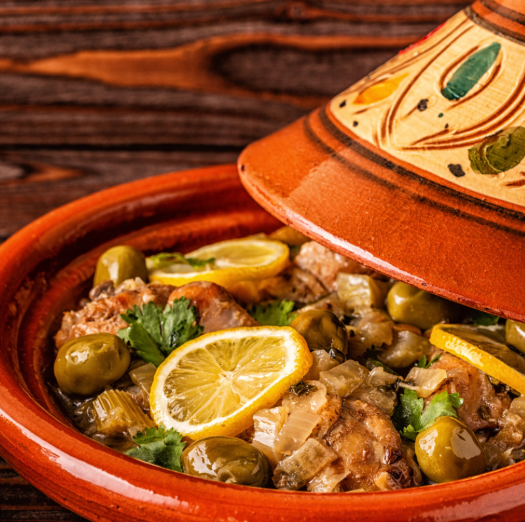
Many people assume that tagine is difficult to make, but with the right spices and some patience, you can easily recreate this North African classic in your own kitchen. Here’s a simple chicken tagine recipe you can try:
Ingredients:
500g chicken thighs (bone-in or boneless)
1 onion, sliced
3 garlic cloves, sliced
2 carrots, cut into chunks
2 potatoes, chopped
1 dried lemon (or a few slices of fresh lemon)
Olive oil
Spices: 1 tsp turmeric, 1 tsp cumin, ½ tsp cinnamon, a pinch of paprika
Salt and black pepper to taste
Fresh coriander for garnish
Instructions:
Heat olive oil in your tagine pot. Sauté the onion and garlic until fragrant.
Add the chicken and sear until lightly golden.
Stir in the spices and mix well to coat the chicken.
Add carrots, potatoes, and the lemon.
Pour in enough water to just cover the ingredients.
Cover with the tagine lid and simmer on low heat for about 1 hour.
When the meat is tender and the sauce is rich, sprinkle with chopped coriander and serve.
Pro tip: Pair it with couscous for the full Moroccan experience!
5. Tagine Is More Than a Meal—It’s a Cultural Experience
In Morocco, sharing a tagine isn’t just about eating—it’s about connection. Families and friends gather around the pot, eating directly from it, chatting, and enjoying time together. It’s a dish that embodies community, warmth, and love.
Cooking a tagine at home isn’t just about the flavors—it’s about opening a window to another culture. It teaches you to slow down, appreciate every ingredient, and understand the stories behind the food.
6. Final Thoughts
Moroccan tagine is more than just a delicious dish—it’s a journey through North Africa in every bite. With its aromatic spices, slow-cooked goodness, and beautiful presentation, tagine offers a taste of tradition that’s perfect for adventurous foodies or anyone looking to bring people together over a warm, hearty meal.
So why not fire up the stove, dust off your tagine pot, and let your kitchen fill with the colors and aromas of Morocco? One pot is all it takes to travel halfway around the world—no plane ticket required.
https://finet52.com/the-ultimate-guide-to-moroccan-tagine-a-culinary-journey-to-north-africa/