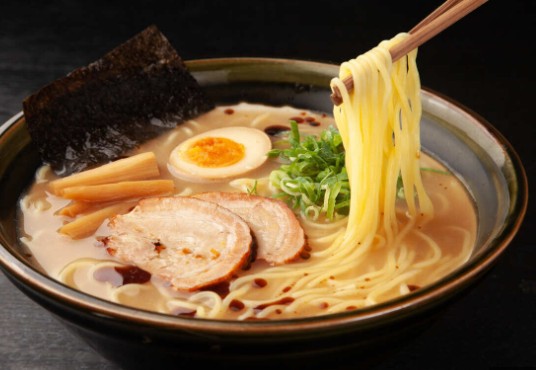
Exploring Japanese Ramen: A Bowl of Tradition and Craftsmanship
https://finet52.com/the-ultimate-guide-to-japanese-comfort-food-mastering-tofu-oden-and-ramen/
When you think of Japanese ramen, chances are you picture a steaming hot bowl of noodles with rich broth and mouthwatering toppings. Whether it’s a cold winter day or a hectic weekday lunch, ramen always delivers that warm, comforting satisfaction.
But what many people don’t realize is that behind this seemingly simple bowl lies a deep-rooted culinary tradition and the painstaking craftsmanship of Japanese chefs.
1. The Origins and Evolution of Ramen
Ramen originally came from Chinese noodle dishes and made its way to Japan in the late 19th century. Early ramen shops appeared in port cities like Yokohama and Kobe, gradually adapting to local tastes. Over time, ramen evolved into a uniquely Japanese dish.
Today, ramen is an iconic part of Japanese food culture. From tiny roadside stalls to upscale ramen restaurants, the variety is endless—each with its own regional flair and chef’s interpretation.
2. The Soul of Ramen: The Broth
If ramen had a soul, it would definitely be the broth. And across Japan, you’ll find a wide variety of ramen broths, with four main styles standing out: tonkotsu (pork bone), shoyu (soy sauce), miso, and shio (salt-based).
Tonkotsu ramen, which comes from Kyushu, is famous for its rich, creamy white broth made by simmering pork bones for hours—or even days. It’s a favorite among hardcore ramen fans.
Shoyu ramen, more common in the Kanto region, has a lighter, clear broth infused with soy sauce. It’s delicate, savory, and slightly tangy.
Miso ramen, from Hokkaido, uses fermented soybean paste, giving the broth a deep, earthy flavor with a hint of sweetness.
Shio ramen is the lightest of all, with a clear, salty broth that highlights the natural flavors of the ingredients.
But don’t think it’s just about boiling some bones! Ramen chefs often combine chicken bones, vegetables, fish stock, and other ingredients, carefully adjusting cooking times and temperatures to extract complex layers of flavor. The time and dedication behind each broth are what give it its unforgettable taste.
3. The Craft of the Noodles
Ramen noodles might look simple, but there’s real skill behind them. They’re typically made from wheat flour, water, and a bit of salt—and their texture can range from thin and firm to thick and chewy.
Thin, straight noodles are often paired with rich tonkotsu broth to soak up flavor quickly.
Thick, curly noodles work well with hearty miso soup, offering a more satisfying bite.
Many top ramen chefs still make noodles by hand, adjusting kneading and resting times by feel and experience. Even though machines are more common now, handmade noodles remain a signature of high-end ramen, offering a fresher taste and better texture.
4. The Art of Toppings
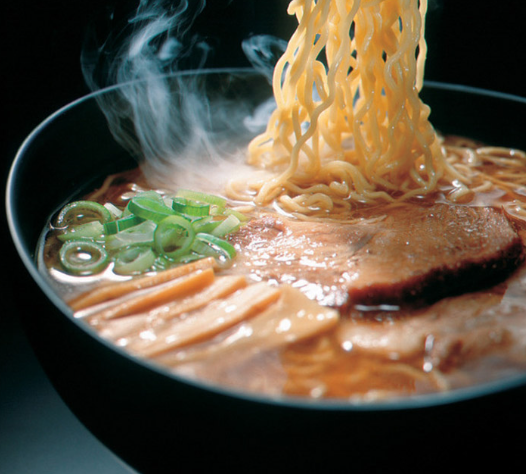
Ramen toppings aren’t just garnish—they’re an essential part of the experience.
Chashu (braised pork belly) is tender and flavorful from hours of slow cooking.
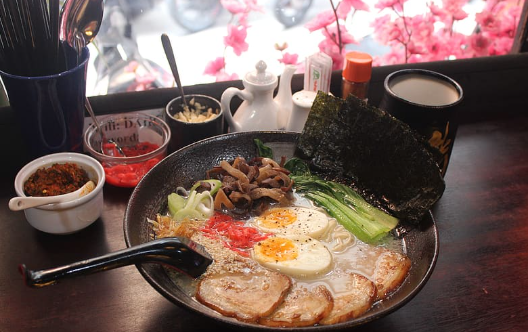
Ajitama (marinated soft-boiled egg) is all about timing, with a rich, silky yolk.
Menma (bamboo shoots), nori (seaweed), green onions, and wood ear mushrooms all add their own textures and flavors.
Some regional variations also add unique local touches. In Hokkaido, you might find corn and butter in your miso ramen, while Kyushu ramen may include spicy paste to enhance the pork-based broth. These small differences make every bowl unique.
5. More Than a Meal: Ramen as Culture
Ramen isn’t just food in Japan—it’s a cultural symbol. Many Japanese people grow up with ramen as part of their childhood, creating a deep emotional connection.
Neighborhood ramen shops are often social hubs, and the way chefs pour their heart into every bowl reflects deep respect for the customer. It’s also a living example of Japan’s famous “shokunin” spirit—the pursuit of perfection in craft.
Many ramen chefs spend years honing their recipes, constantly refining their broth, noodle texture, and presentation, all for the sake of creating that one perfect bowl. That level of dedication is a reflection of Japanese culture itself.
6. Ramen in the Modern Era: Creativity & Innovation
While traditional ramen holds strong, the modern ramen scene is all about pushing boundaries.
Newer versions include seafood-based broths, vegetarian and vegan options, low-fat versions, and even fusion styles like spicy Korean-style ramen or creamy European-inspired variations.
Ramen shops are also getting more creative with presentation, using modern plating to elevate the dining experience. While technology has sped up production, what customers still love most is the handmade touch and heartwarming depth of flavor.
Final Thoughts
A bowl of Japanese ramen is more than just noodles and soup—it’s a combination of history, culture, and culinary mastery. Behind every bowl is a story, a tradition, and a chef’s passion.
In today’s fast-paced world, sitting down to enjoy a lovingly crafted bowl of ramen is like hitting pause and treating yourself to a moment of comfort.
If you haven’t had the chance to try authentic Japanese ramen yet, find a well-reviewed ramen shop and taste the tradition for yourself.
You might just fall in love with the story simmering in that bowl.
https://finet52.com/the-ultimate-guide-to-japanese-comfort-food-mastering-tofu-oden-and-ramen/