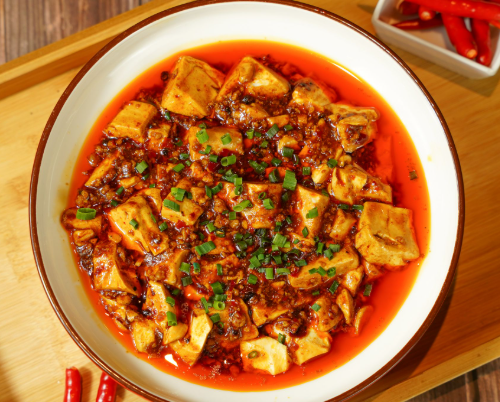
From Seasoning to Stir-Frying: The Secret to Perfect Mapo Tofu
https://finet52.com/mastering-chinese-culinary-arts-mapo-tofu-and-squirrel-mandarin-fish/
Mapo tofu, a signature Sichuan dish, is known for its spicy aroma, silky texture, and unforgettable flavor. While it may look simple, mastering the right balance of seasoning and heat is the key to turning plain tofu into a gourmet delight. Let’s explore the secrets behind crafting the perfect Mapo tofu, step by step.
1. Ingredients Matter: Tofu and Minced Meat Are Essential
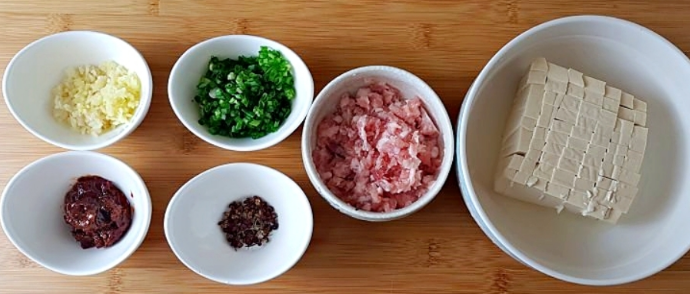
Choosing the right tofu is crucial. Both silken tofu and firm tofu work well:
Silken tofu has a delicate, tender texture but breaks easily.
Firm tofu holds its shape better during stir-frying.
No matter which type you choose, blanch the tofu briefly in boiling water first—this removes the beany smell and helps it stay intact while cooking.
As for the meat, fatty ground pork is preferred. Its rich aroma elevates the dish’s depth of flavor.
2. The Soul of the Dish: Seasonings and Sauces
The heart of Mapo tofu lies in its bold, spicy-savoury seasoning:
Doubanjiang (fermented broad bean chili paste): Use authentic Pixian Doubanjiang from Sichuan—its deep red color and spicy-salty flavor are irreplaceable.
Chili powder and Sichuan pepper powder: One for heat, the other for that signature numbing sensation—both are indispensable.
Minced garlic, ginger, and scallions: For a fragrant base and added flavor.
Light soy sauce and dark soy sauce: For saltiness and rich color.
Sugar and chicken bouillon: A small amount softens the sharpness of the doubanjiang and adds umami.
Cornstarch slurry: Used to thicken the sauce and coat the tofu evenly for a glossy finish.
3. Cooking Steps in Detail: Heat and Timing Are Key
Step 1: Sauté Aromatics
Heat a suitable amount of oil in a pan. Add garlic, ginger, and scallions over low heat to release their fragrance. Stir in the doubanjiang and cook until it releases red oil—this is a critical step for flavor.
Step 2: Add Ground Pork
Turn the heat to high and add the pork. Stir-fry until the meat browns and smells savory. This meaty base enriches the entire dish.
Step 3: Add Tofu and Seasoning
Gently add the pre-blanched tofu cubes. Season with light and dark soy sauce, salt, and a pinch of sugar. Carefully stir to coat the tofu without breaking it.
Step 4: Simmer
Add water (or broth), cover the pan, and let the tofu simmer over low heat for about 5 minutes. This allows the tofu to absorb all the rich flavors.
Step 5: Thicken the Sauce
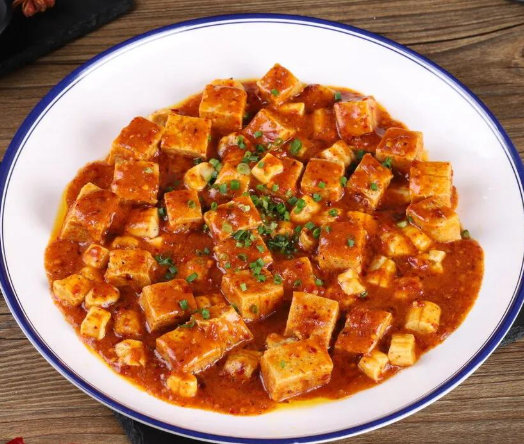
Uncover and pour in the cornstarch slurry. Gently stir until the sauce thickens and wraps the tofu in a shiny, flavorful coating.
Step 6: Final Seasoning
Sprinkle with chili powder and Sichuan pepper powder, then drizzle with spicy numbing chili oil. Your aromatic, spicy, and mouth-numbing Mapo tofu is ready to serve.
4. Pro Tips for Restaurant-Level Mapo Tofu
Control oil temperature: When sautéing doubanjiang, use moderate heat. Too low, and it won’t release its aroma; too high, and it may burn.
Blanch tofu beforehand: This step reduces the beany taste and helps firm up the tofu.
Proper sauce thickness: The cornstarch slurry should coat the tofu just right—not too thick or watery.
Make your own chili oil: Fry Sichuan peppercorns in hot oil to infuse both fragrance and numbing flavor.
Customize spiciness: Adjust chili powder based on your spice tolerance. The goal is to be “spicy without being harsh.”
5. The Best Pairings for Mapo Tofu
Mapo tofu is perfect over a bed of steamed white rice—the rich, spicy sauce seeps into every grain. Serve with a light vegetable soup or stir-fried greens to balance the heat and add nutritional value.
Conclusion
Authentic Mapo tofu may look simple, but it requires a good grasp of timing, flavor layering, and ingredient prep. Once you master the process, you can recreate this spicy, numbing, and silky Sichuan classic right in your kitchen.
Why not make Mapo tofu the star of your next meal? Cook it once, and it might just become your new favorite go-to dish!
https://finet52.com/mastering-chinese-culinary-arts-mapo-tofu-and-squirrel-mandarin-fish/