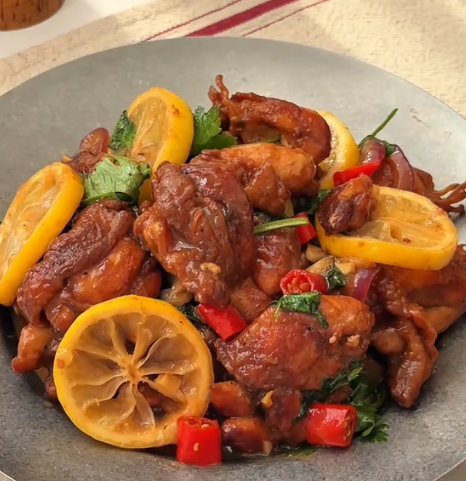
Malaysian Lemon Chicken: A Guide to Spicy and Sour Chicken Recipes for a Summer Appetizer
https://finet52.com/the-ultimate-global-cuisine-handbook-master-iconic-international-recipes-at-home/
Lemon chicken is a beloved dish across Southeast Asia, particularly in Malaysia and Singapore. It’s renowned for its refreshingly sour and spicy flavor and the crispy, charred texture of the chicken. This dish is not only appetizing during the hot summer months, but also nutritious and colorful. Its unique flavor balance makes it a popular choice for both family gatherings and restaurant menus. This article will provide a detailed analysis of the ingredients, marinating techniques, cooking methods, and the science of flavor, along with practical guidelines for recreating this classic Southeast Asian dish at home.
Ingredient Selection: Fresh Chicken and Flavor are Key
The delicious taste of authentic lemon chicken comes first from the selection and processing of fresh chicken:
Chicken part : Thighs or boneless breasts are commonly used; thighs are more tender, while breasts offer a firmer texture. Regardless of which part you choose, leaving the skin intact allows for a charred crust during cooking, enhancing the flavor and texture.
Source of acidity : Fresh lemon juice is the key seasoning, providing natural acidity that removes the fishy smell and enhances the chicken’s flavor. Adjust the amount of lemon used based on the amount of chicken to ensure the right amount of acidity.
Spices and Seasoning : A typical spice combination includes minced garlic, sliced ginger, and red chili flakes. The volatile oils from garlic and ginger enhance the chicken’s umami flavor, while the red chili pepper provides a mild spiciness, creating a flavor trio of sour, spicy, and savory.
Auxiliary seasonings : A proper amount of sugar or honey can neutralize the acidity of the lemon, making the taste more balanced, while helping the chicken skin to color and form a natural caramel layer.
Chicken marinating: flavor and tenderization
Marinating is an important step in making lemon chicken, which directly affects the taste and flavor of the chicken:
Basic marinade : Combine lemon juice, minced garlic, sliced ginger, a small amount of sugar, and salt to create a balanced sweet, sour, and salty marinade.
Marinade time : Let the chicken sit in the marinade for about 30 minutes to an hour to allow the acidic components to partially break down the protein, tenderizing the chicken and allowing the spices to penetrate the meat fibers.
For extra flavor : Add a small amount of fish sauce or soy sauce for an umami flavor, but be careful not to overpower the lemon aroma.
After marinating, the chicken should remain slightly moist to facilitate the rapid formation of a crispy crust when frying.

Pan-frying chicken: creating a charred texture
Frying is the core step in shaping the flavor of lemon chicken. The high temperature treatment creates a crispy skin while locking in the internal juices:
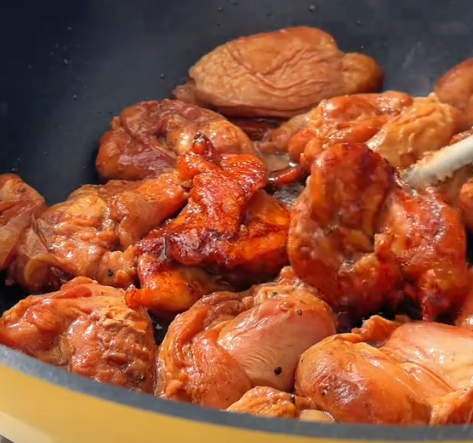
Oil temperature control : Heat the pan over medium-high heat and add a small amount of vegetable oil or olive oil. Do not use too much oil to prevent the chicken skin from being over-fried during frying.
Frying tips : Fry the chicken skin-side down until golden brown and crispy, then flip and fry the other side. Use a spatula to gently press the chicken during frying to ensure even cooking of the skin.
The principle of caramel aroma formation : Under high temperature, sugars and proteins will undergo the Maillard Reaction, forming a dark caramelized crust and adding complex flavor.
Sauce Making: The Secret to a Balanced Taste of Spicy and Sour
The sauce of lemon chicken is the soul of its flavor, and the balance of acidity, sweetness and spice aroma is crucial:
For the base sauce , add a small amount of oil to a small pan and sauté the minced garlic and ginger until fragrant. Add the red chili flakes.
Liquid seasoning : Pour in fresh lemon juice and a small amount of chicken broth or water to soften the sourness. Adjust the sweetness to taste by adding a small amount of sugar or honey.
Thickness control : Slightly reduce the sauce to make it thick but still fluid so that it can be evenly coated on the surface of the chicken.
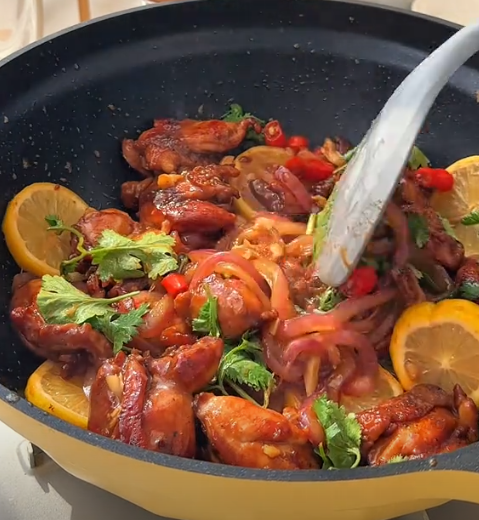
Enhance flavor : Add a small amount of chopped coriander or green onion to increase the freshness and enhance the visual effect.
Serving and pairing: a comprehensive experience of color, aroma and taste
Lemon Chicken is not only delicious, but also visually appealing:
Plating tip : Place the pan-fried chicken on a plate, drizzle the sauce evenly over it, and sprinkle with chopped herbs or red pepper rings for color contrast.
Main food pairing : It is suitable for pairing with white rice, fried potato chips or simple pasta. The rice can absorb the sauce and form a perfect match.
Drink of choice : Pair with light white wine or lemon-flavored sparkling water to enhance the layered acidity and aroma, elevating the dining experience.
Flavor Science and Taste Analysis
The unique flavor of lemon chicken can be explained by the chemistry of ingredients:
Acidic tenderizing effect : The organic acid in lemon juice can break down the protein in muscle fibers, making the chicken taste more tender.
Maillard reaction : The charred crust formed during the frying process not only adds layers to the taste, but also releases a variety of aromatic compounds, enhancing appetite.
Umami enhancement : The amino acids provided by garlic, ginger and a small amount of fish sauce work synergistically with citric acid and sugars to give the taste a balanced experience of sour, fresh, fragrant and slightly spicy.
Tips for making it at home
Here are some practical tips to help you maximize your success when making lemon chicken at home:
Chicken temperature : Keep the chicken at room temperature before frying to avoid it being cooked on the outside but raw on the inside.
Cookware selection : Non-stick pans or thick-bottomed pans are better for frying to ensure even heating.
Sauce adjustment : You can add a small amount of lemon juice and sugar first, and adjust the sweet and sour balance while tasting.
Advance preparation : Vegetables and spices can be chopped in advance, and the chicken can be quickly fried after marinating to save cooking time.
These little tricks ensure that the chicken is crispy on the outside and tender on the inside, while the sauce is just the right amount of sour and spicy, giving you the best taste experience.
Historical and cultural background
Lemon chicken is widely popular in Southeast Asia, especially in Malaysia, Singapore, and Thailand. Its development history is closely related to the local diverse culture:
Trade influences : The use of lemons, spices, and sugar reflects the historical prosperity of the spice trade in Southeast Asia.
Family food culture : In hot climates, sour and spicy appetizing dishes are more likely to stimulate appetite, so lemon chicken has become a common family dish.
Modern innovation : With globalization, the preparation of lemon chicken has gradually incorporated Western elements, such as pairing it with roasted vegetables or using organic chicken, to meet the needs of modern healthy diets.
Creative extension and personalization
In home cooking, lemon chicken can be flexibly adjusted according to personal taste and ingredients:
Acidity variation : Try mixing lemon and lime to add layers of sourness.
Spice innovation : Add a small amount of rosemary or thyme to bring a Western vanilla flavor.
Sweetness adjustment : Honey or maple syrup can be used instead of white sugar to make the flavor milder and take health into consideration.
Through these adjustments, lemon chicken retains the classic sour and spicy taste while meeting different dietary preferences and innovative needs.
Health and nutritional value
Lemon chicken is not only delicious, but also has certain health benefits:
High protein : Chicken is rich in high-quality protein, which helps with muscle repair and growth.
Low fat : Remove the skin or choose chicken breast and fry it with a small amount of olive oil to control fat intake.
Rich in vitamins : Lemon provides rich vitamin C, and garlic and ginger contain antioxidants that help enhance immunity.
Low-carb pairing : You can choose to pair it with brown rice, quinoa or vegetables for a balanced meal.
Summary and practical suggestions
Malaysian lemon chicken is a classic Southeast Asian dish, boasting stunning visuals, aromas, and flavors. Its tangy, sour, and appetizing flavor, along with the charred texture of the chicken, makes it a popular choice for summer dinners. By mastering the marinating time, heat control, and sauce preparation, any family can create restaurant-quality dishes at home. Furthermore, adapting to personal tastes and health needs can bring new life to traditional dishes. Experimenting with different spice combinations, sweet and sour ratios, and other pairings not only enriches the taste experience but also adds a touch of culinary interest.
https://finet52.com/the-ultimate-global-cuisine-handbook-master-iconic-international-recipes-at-home/