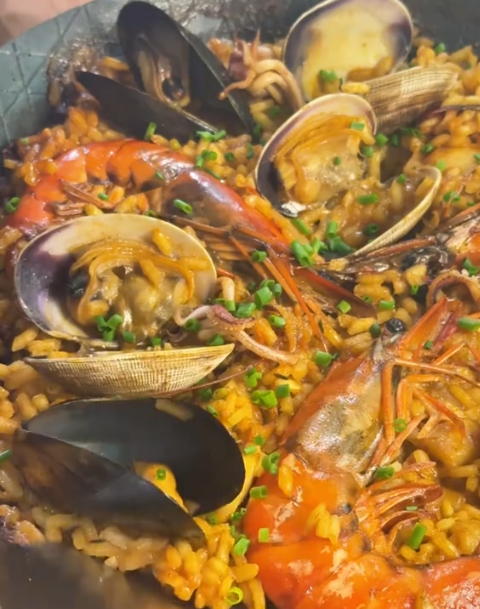
Spanish Paella: A Cooking Guide to Make Authentic Flavor at Home
https://finet52.com/the-ultimate-guide-to-global-seafood-excellence-recipes-and-techniques/
Paella is a classic Mediterranean dish, renowned for its combination of fresh seafood and crispy rice. It’s rich in color, fragrant, and layered with flavor. This dish is not only a traditional delicacy of coastal Spain, but also a favorite on tables around the world for its unique flavor and visual appeal. This article will delve into the preparation of authentic paella, including ingredients, cooking techniques, and flavor pairings, making this Mediterranean delicacy easy to make at home.
Ingredient preparation: Building the flavor foundation
The key to a delicious seafood risotto lies in the selection and preparation of ingredients. The core ingredients include a variety of fresh seafood and flavorful vegetables. Tomato sauce, spices, and white wine also play a crucial role in enhancing the overall flavor.
Seafood : Common ingredients include prawns, squid, clams, and mussels. When choosing fresh shrimp, choose medium-sized to large ones with firm flesh, a bright color, and no odor. Squid should be cleaned and cut into appropriate pieces to ensure a tender texture. Clams and mussels should be soaked in water to remove any grit that may affect the taste.
Vegetable preparation : Dice carrots, celery, and onions to add natural sweetness and flavor to the soup base.
Tomato processing : Fresh tomatoes can be grated into a paste to increase the natural sweet and sour taste of the dish and color the rice.
Spices of Choice : Saffron is a signature spice in Spanish paella, its distinctive aroma and golden color making the dish more visually and palate-appealing. Paprika can also be added to enhance the Mediterranean flavor.
Making Seafood Stock: The Soul of Flavor
The deliciousness of authentic risotto comes largely from the careful preparation of seafood broth. The steps for making broth are as follows:
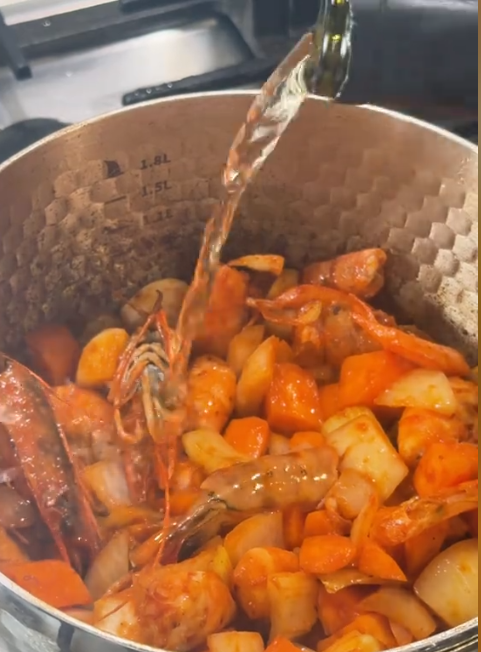
Add olive oil to the pan and stir-fry the prawns and prawn heads over medium heat until they change color and release their aroma.
Add the diced vegetables and a small amount of tomato paste and stir-fry until the vegetables are evenly colored. The tomato paste not only enhances the color but also improves the overall flavor.
Pour in a small amount of white wine or brandy and cook until the alcohol is completely evaporated.
Pour in an appropriate amount of water, bring to a boil over high heat, then add herbs (such as thyme and bay leaves) and simmer for about 40 minutes to allow the flavors of the seafood and vegetables to fully blend and form a rich soup base.
This step not only provides the basic flavor for the risotto, but also allows the rice to absorb the essence more easily during the cooking process, ensuring that every grain of rice is fresh and delicious.
Cooking Seafood and Rice: Mastering the Heat Step by Step
In the process of making seafood risotto, the order of frying seafood and rice and the control of heat are particularly important:
To prepare seafood stir-fry : Add an appropriate amount of olive oil to the pan (a little more for thorough stir-frying), first add the prawns, squid and clams, add salt, smoked paprika and garlic, and stir-fry quickly to bring out the aroma.
Stir-fry tomato puree : Add tomato puree and stir-fry over medium heat until the water is dried up, so that the tomato flavor is concentrated and a rich sauce base is formed.
Add the rice : Cover the bottom of the pot with rice, ensuring every grain absorbs the flavor of the sauce. Use a slotted spoon to separate the vegetables from the broth and add two tablespoons of broth to the pot, allowing the rice to absorb some of the broth.
Saffron for flavor : Add a little saffron and mix well to add golden color and unique aroma to the rice.
Slow cooking : Reduce heat and simmer for about 10 minutes, allowing the rice to gradually cook and absorb the sauce. Then, add the prawns and other seafood in order. Keep the heat low throughout, allowing the sauce to slowly reduce and allow the seafood juices to seep into the rice, adding layers of flavor.
Slow cooking not only ensures that the rice is cooked thoroughly, but also forms a slightly charred “socarrat” on the bottom of the pot. This is the most distinctive crispy and fragrant part of Spanish paella, similar to the rice crust flavor of Asian clay pot rice.
Sauce Collection and Fusion: The Combination of Crispy Rice and Seafood Aroma
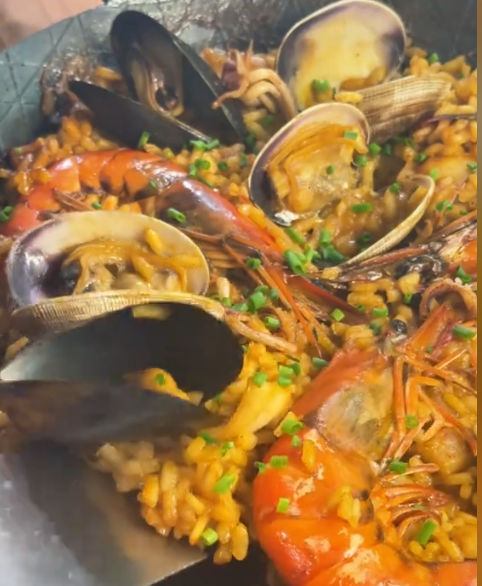
As the cooking progresses, the seafood’s juices gradually seep into the rice, blending the fibrous materials with the rice grains to create a rich, integrated texture. After about five minutes of cooking, the broth is mostly dried, and a charred layer forms around the edges of the pot, marking the essence of the risotto. At this point, the rice and seafood are served together in a bowl, their aroma permeating the air and reaching their peak visual and flavorful presentation.
The Flavor Science of Seafood Risotto
From the perspective of food science, the deliciousness of seafood risotto comes from the synergistic effect of protein and carbohydrates:
Seafood protein : During cooking, shrimp, squid and shellfish release proteins and amino acids that enhance umami.
Rice starch : After the rice grains absorb the broth and seafood juices, the starch combines with the protein to form a thick taste, making every bite fresh, fragrant and full.
Spices and fats : The addition of saffron, olive oil and tomato paste not only increases the aroma, but also promotes the release of fat-soluble flavor substances, making the overall taste more balanced.
This flavor science explains why risotto is so popular in Spain and around the world, and also reflects the Mediterranean diet’s emphasis on natural flavors and nutritional balance.
Pairing and table experience
Seafood risotto is not only rich in flavor, but also suitable for many ways to pair:
Drink pairing : Dry white wine or sparkling wine can enhance the overall flavor experience, and pairing with red wine can also bring different levels of taste.
Vegetables and snacks : Pair with roasted seasonal vegetables or a light salad to enrich the color and balance the diet.
Party table : Seafood risotto is colorful and generous in portion, making it a great main dish for family dinners or gatherings with friends, with both visual and taste appeal.
In addition, the risotto-making process itself has certain social attributes. Cooks can participate in the kitchen with family and friends and experience the fun from preparing ingredients to the final dish.
Cooking Tips and Common Misconceptions
When making authentic seafood risotto, the following details are worth paying attention to:
Rice type : Short-grain or medium-grain rice is better at absorbing broth and has a soft but not mushy texture after cooking.
Heat control : When frying seafood and rice, the heat needs to be controlled in stages to avoid hard rice grains or overcooked seafood.
Balanced seasoning : Salt and spices need to be added in batches at different stages to ensure a balanced overall flavor.
Soup base ratio : Proper control of the amount of broth ensures that the rice absorbs enough flavor without sticking to the pot.
Mastering these details can greatly increase the success rate of risotto and make each cooking closer to restaurant quality.
The Culture and History of Seafood Risotto
Originating in the Valencia region of Spain, seafood paella began as a home-cooked dish created by farmers and fishermen using locally available ingredients. The addition of saffron reflects the region’s history of the spice trade, while the variety of seafood served stems from the abundant catch along the coast. Modern cooking has evolved this dish into many variations, from simpler at home to more sophisticated in restaurants, but the core concept remains the same: fresh ingredients, spices, and rice create a delicious experience that is both visually and aromatically rich.
Creative extension and personalization
In home cooking, the preparation of risotto can be personalized according to taste and ingredients:
Seasoning Variations : Add a pinch of chili or smoked spices for an added dimension of flavor.
Rice innovation : Try using brown rice or a quinoa blend for enhanced health properties.
Seafood combination : Select different seafood according to the season and market supply to ensure the freshness and diversity of ingredients.
Through moderate innovation, seafood risotto retains the authentic flavor while meeting modern healthy eating and personalized needs.
Summary and practical suggestions
Paella is a classic Mediterranean dish that captivates both the eye and the palate. Its allure lies in the perfect combination of fresh seafood, rich spices, and crispy rice. By mastering the selection of ingredients, heat control, and broth proportions, anyone can create a delicious and flavorful paella at home. Whether it’s a family dinner or a gathering with friends, this dish is sure to be the centerpiece, delivering the freshness and delight of the Mediterranean in every bite. By experimenting with different seafood combinations, spice combinations, and rice preparation methods, you can create your own unique paella while preserving the traditional flavors.
https://finet52.com/the-ultimate-guide-to-global-seafood-excellence-recipes-and-techniques/